SEA’s Financial Independence from the Childhood Bedroom

When we think about financial independence, we often picture someone living on their own, paying their own bills, and building a life on their own terms. Our survey of 3,000 adults across Singapore, Malaysia, Thailand, Indonesia, the Philippines, and Vietnam found that many people who consider themselves financially independent are still living with family.
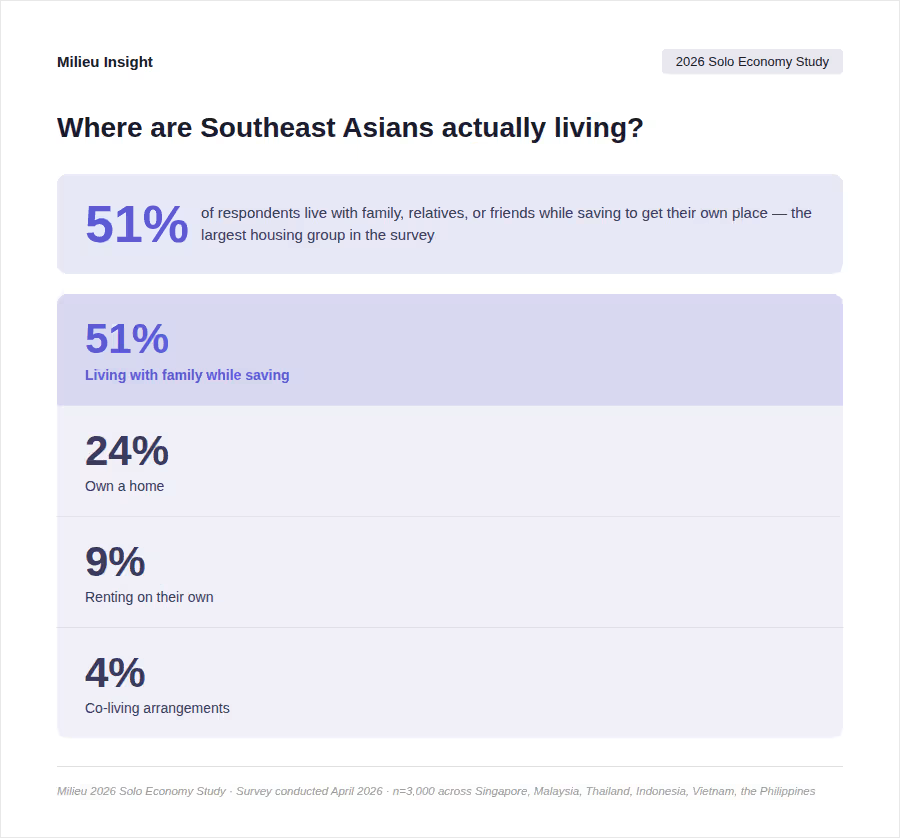
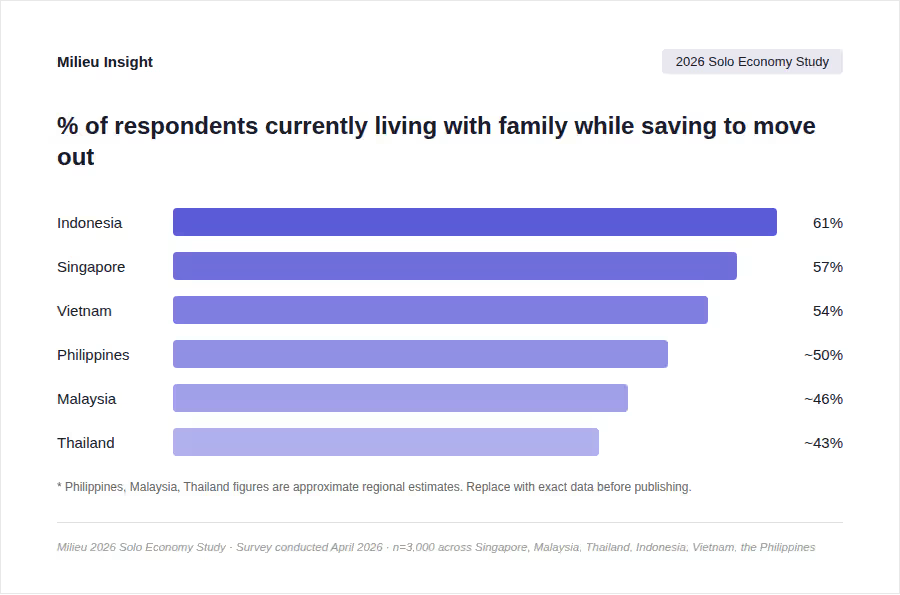
In fact, 51% of respondents said they currently live with family, relatives or some - friends while saving to get their own place.
That's the largest housing group in the survey, ahead of those renting on their own (9%), owning a home (24%), or living in co-living arrangements (4%).
Indonesia recorded the highest share at 61%, followed by Singapore (57%) and Vietnam (54%). Across all six markets, staying with family while saving is not the exception, it's the norm.
Independence Doesn't Always Mean Moving Out
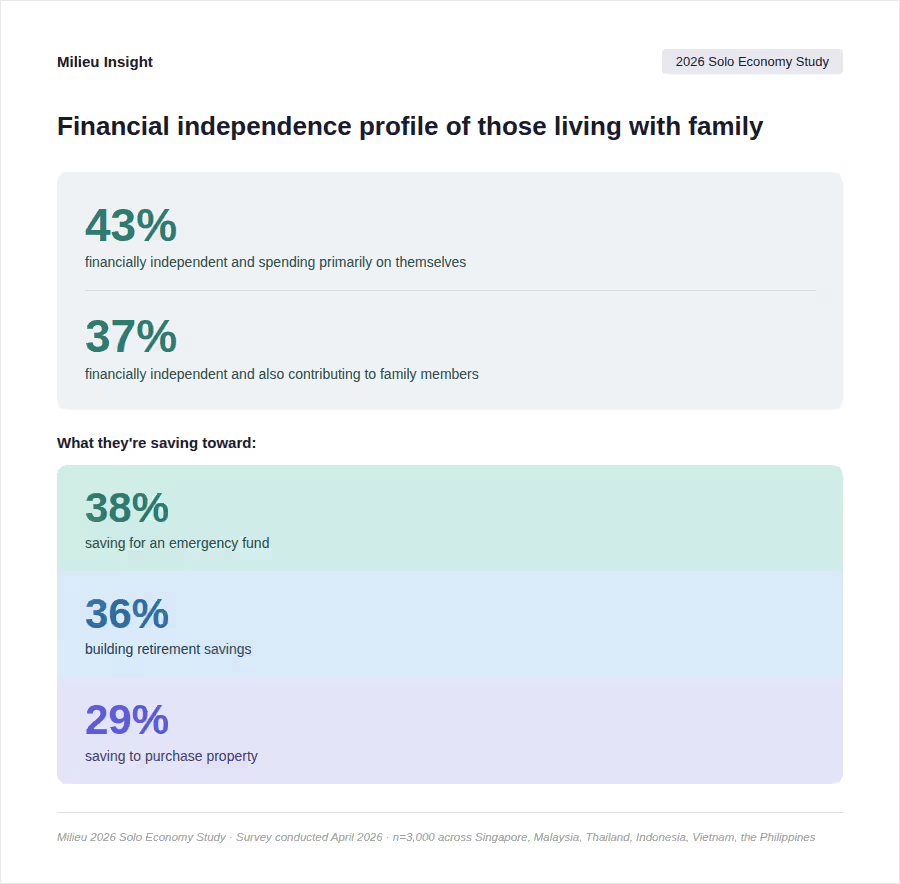
What makes this finding particularly interesting is who these respondents are. The survey found that 43% describe themselves as financially independent and primarily spending on themselves, while another 37% are financially independent but also contribute financially to family members.
In other words, many are earning their own income, managing their own finances, and in some cases supporting others, all while continuing to live at home. Rather than a sign of dependence, it appears to be a practical financial decision. Many respondents are actively working toward longer-term goals. 38% are saving for an emergency fund, 36% are building retirement savings, and 29% are saving to purchase property.
For many, living at home provides an opportunity to save faster and prepare for the future.
Spending More, Saving More
The survey also explored how spending habits have changed over the past few years.
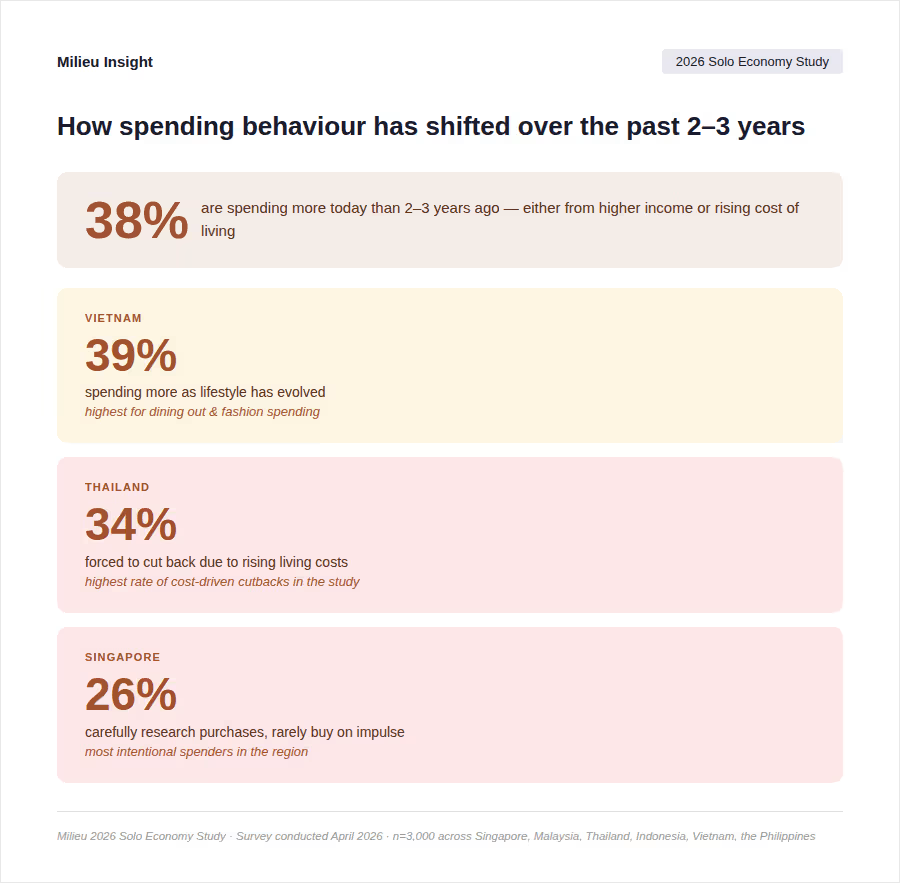
Overall, 38% said they are spending more today than they were two to three years ago, either because their income has increased or because cost of living has gradually become more expensive. Only 10% said they have intentionally reduced their spending. The trends vary significantly by market.
- Vietnam: Rising Spending Power
Vietnam stood out as the market most affected by lifestyle creep. Nearly four in ten Vietnamese respondents (39%) said they are spending more as their lifestyle has evolved. The market also ranks among the highest for spending on dining out and fashion, suggesting that increased income is translating into greater discretionary spending.
- Thailand: Feeling the Pressure
Thailand tells a different story. More than a third of Thai respondents (34%) said rising living costs have forced them to cut back on spending, the highest proportion among all markets surveyed. This aligns with another finding from the study, where 41% of Thai respondents reported having little to no disposable income after covering essential expenses.
- Singapore: Spending with Intention
Singapore respondents were the most likely to describe themselves as intentional spenders. More than a quarter (26%) said they carefully research purchases and rarely buy on impulse, reflecting a more considered approach to managing expenses.
A Different Path to Independence
Taken together, the findings suggest that many Southeast Asians are approaching independence differently than previous generations. Living at home longer is often less about necessity and more about strategy. By reducing housing costs, many can build savings, prepare for future purchases, and create a stronger financial foundation before moving out.
Rising incomes and changing lifestyles are influencing how people spend, while cost-of-living pressures continue to shape financial decisions in some markets. For many across Southeast Asia, the journey toward independence doesn't begin after leaving home, it begins while they're still living there.
Based on findings from the Milieu 2026 Solo Economy Study. Survey conducted in April 2026 across Singapore, Malaysia, Thailand, Indonesia, Vietnam, and the Philippines. Total sample size: 3,000 respondents.

Author
Milieu Team
At Milieu, we’re a team of curious minds who love digging into data and uncovering what drives people. Together, we turn insights into stories—and stories into action. We also run on coffee, deadlines, and the occasional meme.
Latest Insights