What is driving online and in-store luxury marketing trends?
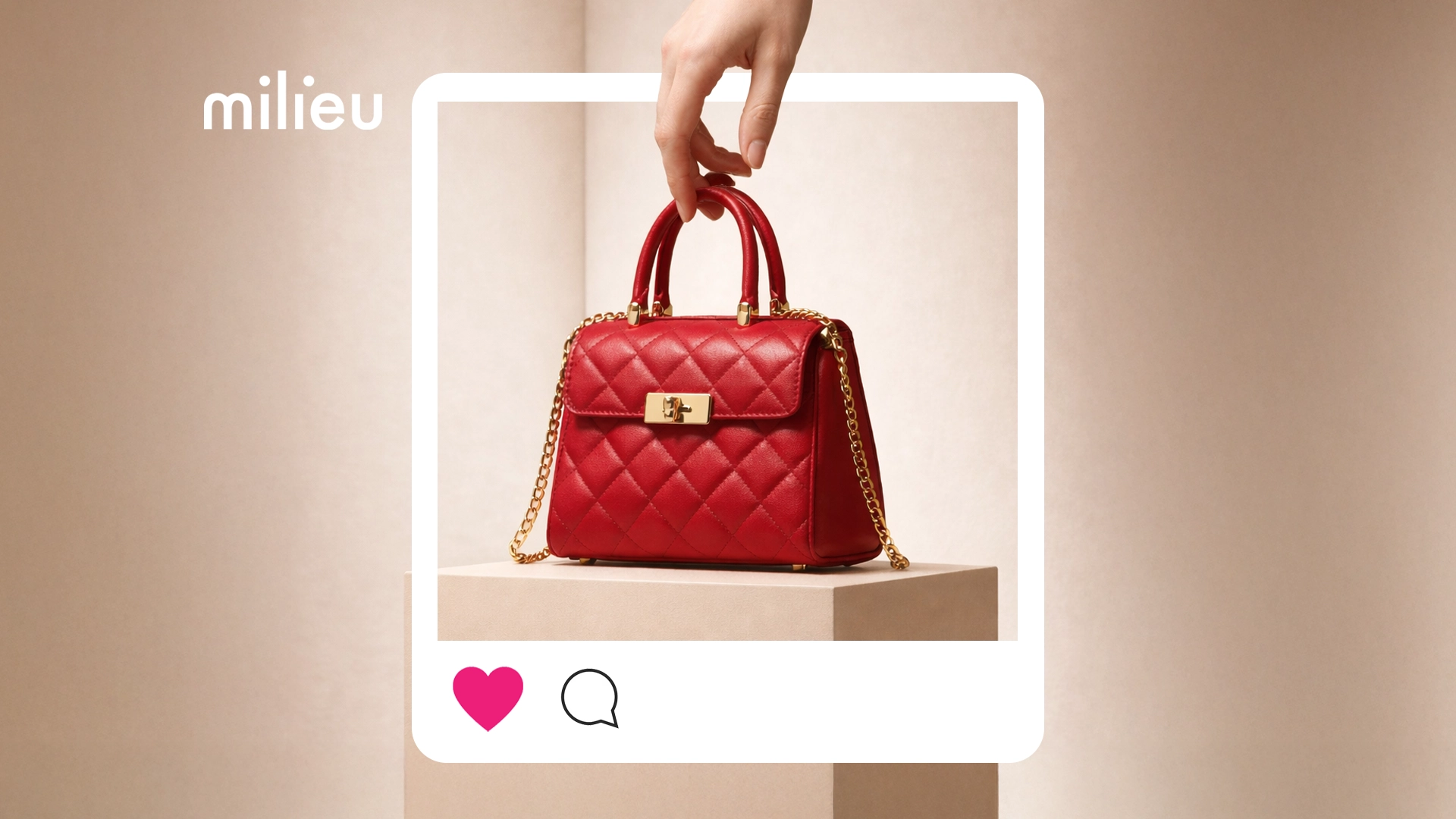
The luxury industry stands at the crossroads of tradition and transformation. As global consumer spending shifts, both online sales and in-store experiences are being reinvented through innovation. From artificial intelligence to experiential marketing, technology is no longer a tool but the heartbeat of emerging luxury marketing trends.
The luxury marketing scene is all about combining technology, sustainability, and personalisation with a strong sense of purpose and values. Brands that adapt to these changes aren’t just keeping up with what customers want. They’re setting the new definition of what true luxury means today.
As younger generations rise in influence, they are redefining what it means to indulge in luxury: less about possession, more about purpose, experience, and identity.
How are digital and experiential trends redefining the luxury industry?
Luxury brands are stepping confidently into the digital age. Online sales have grown significantly since 2018, rising from about 10% to nearly 25% of total luxury purchases today. From personalised gift packaging to exclusive event invitations, brands are blending digital innovation with traditional experiences to meet modern consumer expectations.
The rise of omnichannel strategies means luxury brands must blend physical and digital touchpoints seamlessly to satisfy today’s discerning shoppers. As luxury retail trends evolve, technology has become central to creating a more immersive, emotional, and personal luxury experience.
Many brands are also connecting with shoppers directly through social media and messaging apps like WhatsApp and Facebook Messenger. Technology is playing a bigger role, too, with Louis Vuitton’s AI chatbot now handling most customer queries anytime, while Gucci offers real-time online styling advice, and Chanel is experimenting with virtual fitting rooms through Farfetch.
Consumers now seek luxury shopping experiences that connect emotionally with their lifestyle and aspirations. This shift has seen many luxury brands investing in hybrid retail models, where physical stores become storytelling hubs supported by strong digital ecosystems.
How is AI-powered personalisation transforming luxury marketing?
Artificial intelligence (AI) is revolutionising luxury marketing by enabling luxury brands to provide hyper-personalised shopping experiences. AI helps companies interpret browsing history, predict purchasing intent, and deliver personalised recommendations tailored to each customer’s lifestyle.
The adoption of AI is accelerating rapidly. According to Technavio (2025), the AI luxury market is expected to grow by more than US$1.6 billion by 2029, as brands seek to provide high-touch, personalised service at scale without losing efficiency.
These tools not only enhance the luxury shopping experience but also help brands thrive in a competitive luxury goods market, particularly among affluent consumers and high-net-worth individuals who expect tailor-made service and convenience.
AI is also shaping pricing and inventory decisions through dynamic pricing models, ensuring stock levels reflect real-time demand. This approach streamlines operations and contributes to steady growth rates across the global luxury industry.
How does immersive technology enhance the luxury shopping experience?
Immersive technology is transforming how consumers experience luxury goods. It enables brands to create multisensory journeys that merge storytelling, emotion, and interaction.
Luxury cars like Bentley and Ferrari use VR showrooms, allowing clients to explore customisations and interiors without stepping into a dealership. This technological leap offers a seamless shopping experience that deepens emotional engagement while enhancing convenience.
Beyond interactivity, immersive experiences elevate a brand’s image by reinforcing its innovation and craftsmanship. This immersive journey creates a lasting impression that reflects both exclusivity and inclusivity in the evolving luxury experience.
Why is social commerce essential for modern luxury consumers?
Social commerce has become a crucial pillar of luxury marketing strategies, bridging the gap between brand storytelling and direct sales. Platforms like Instagram, TikTok, and WeChat now function as digital storefronts where luxury brands engage younger generations, particularly Gen Z and millennial shoppers.
These audiences crave authenticity, transparency, and community. Luxury fashion brands leverage influencer partnerships and exclusive events on social media to create buzz and foster trust.
Social commerce also allows brands to track driving consumer behaviour and customer preferences through engagement data. This helps identify key drivers influencing luxury purchases, such as cultural moments, fine dining, or local consumption patterns, especially across the Asia Pacific, where digital ecosystems are mature.
How is digital transformation shaping luxury retail?
Digital transformation is redefining luxury retail by merging physical craftsmanship with technological innovation. The most successful luxury brands are those that treat technology not as an accessory but as a fundamental enabler of brand storytelling.
Through cutting-edge technology, brands can deliver personalised and emotionally resonant experiences across every customer journey. Physical stores are evolving into experiential hubs that complement e-commerce platforms, strengthening brand equity through emotional engagement.
Why are sustainability and values-driven trends dominating the luxury sector?
Sustainability and values-driven trends are dominating the luxury sector because modern consumers increasingly align their purchases with personal ethics and environmental responsibility.
They are more informed, socially conscious, and willing to pay a premium for brands that prioritise sustainable practices, transparency, and long-term impact.
Globally, sustainability has evolved from a marketing buzzword into a business imperative. The luxury market is responding by integrating eco-friendly innovation into its value chain, from ethical sourcing to circular production models.
What role does sustainability play in the luxury market?
Sustainability now serves as a cornerstone of modern luxury marketing. It shapes how brands design, produce, and promote their products while reinforcing brand integrity and consumer trust.
For the new generation of affluent consumers, sustainability is not an optional feature. It is a decisive factor influencing purchasing behaviour.
Top luxury fashion brands, such as Stella McCartney and Gucci, have made sustainability central to their brand identity. Stella McCartney pioneered the use of cruelty-free and recycled materials, while Gucci’s “Circular Lines” initiative showcases luxury that embraces longevity and environmental care.
How does corporate social responsibility (CSR) influence consumer behaviour?
Corporate social responsibility (CSR) directly influences consumer behaviour by shaping brand perception and emotional trust.
Modern luxury consumers increasingly support brands that act responsibly toward society and the environment. CSR initiatives signal that a brand’s values align with its audience, strengthening loyalty and engagement.
In Singapore, frameworks such as SG Green Plan 2030 further encourage businesses to adopt sustainable and socially responsible practices. Through CSR, the luxury sector is rewriting its legacy of moving from exclusivity and excess to empathy and impact.
Why is recommerce a growing force in the second-hand luxury market?
Recommerce, or the resale of second-hand luxury goods, has emerged as one of the fastest-growing segments in the luxury market. The movement reflects shifting attitudes toward consumption of sustainability, authenticity, and accessibility, driving purchasing decisions.
Consumers today see pre-owned luxury as both eco-conscious and economically smart. Platforms like The RealReal and Vestiaire Collective have normalised the resale of luxury fashion, promoting the idea that luxury can be circular.
How are concepts of exclusivity evolving in the luxury industry?
Exclusivity in the luxury industry is evolving from product scarcity to experience-based differentiation. While exclusivity once meant limited access and prestige, today it’s about creating meaningful connections and personalised experiences that make each customer feel uniquely valued.
This shift is closely tied to changing consumer demographics. By 2030, more than 70% of global luxury spending is expected to come from millennials and Gen Z, making it clear that older, affluent generations alone will no longer be enough to sustain the industry. These younger consumers value engagement, identity, and emotional relevance just as much as status.
Digitalisation, social media, and cultural shifts have further reshaped how exclusivity is perceived. Modern luxury consumers seek brands that invite participation without compromising sophistication. As a result, luxury brands are experimenting with new ways to balance inclusion and exclusivity.
What defines experiential luxury today?
Experiential luxury today is defined by personalised, memorable experiences that evoke emotional resonance beyond the product itself. Modern luxury shoppers are drawn to bespoke services, immersive environments, and tailored journeys that reflect their individuality.
For instance, The Ritz-Carlton offers “Memories by Design” packages that curate once-in-a-lifetime moments, while Louis Vuitton hosts private ateliers where clients can co-design bespoke items. These experiences highlight that luxury now resides in feeling, not just possession.
How do exclusive product drops drive sales and engagement?
Exclusive product drops have become a powerful strategy to drive sales and engagement in the luxury market. By limiting supply and creating time-sensitive releases, brands generate excitement, urgency, and social buzz that enhance desirability.
Luxury fashion houses like Hermès and Balenciaga have perfected this art by releasing capsule collections or limited-edition collaborations through digital platforms. These drops cater to a new generation of luxury consumers who value rarity and cultural relevance.
Such exclusivity creates a “moment” around each release, driving online traffic and in-store visits simultaneously. Moreover, product drops foster a sense of belonging within brand communities, turning consumers into advocates who amplify visibility through social media.
How has digitalisation redefined the idea of exclusivity?
Digitalisation has redefined exclusivity by expanding its meaning beyond physical ownership to include digital access, community membership, and personalised engagement. In the luxury industry, digital tools now enable brands to deliver one-of-a-kind experiences through virtual events, NFT collections, and private online clubs.
For example, Prada’s Timecapsule NFT series links physical garments to digital art, creating a dual sense of ownership that merges tradition with innovation. Similarly, Burberry’s partnerships within gaming environments, such as Roblox, demonstrate how exclusivity can thrive in virtual spaces.
This evolution allows luxury brands to maintain scarcity and desirability even in the digital age by granting special privileges, early access, or tailored digital experiences to select members.
FAQs
1. What is the future of luxury retail?
The future of luxury retail lies in a seamless blend of technology, sustainability, and human connection. Digital innovation, such as artificial intelligence, augmented reality, and virtual reality, will continue to enhance the luxury shopping experience. making it more interactive, personalised, and emotionally engaging.
As digital touchpoints become central to the customer journey, luxury brands must balance online convenience with in-store intimacy, offering tailor-made experiences, exclusive events, and superior after-sales care. The future of luxury will not only be about what you buy but how you feel when buying it.
2. How is the second-hand market affecting luxury brands?
The second-hand luxury market is reshaping the luxury industry by promoting sustainability, accessibility, and extended product lifecycles. Once considered niche, resale platforms now serve as strategic channels that help brands thrive by reaching younger generations and aspirational consumers.
For instance, Louis Vuitton and Gucci have launched resale programs and circular collections to meet the growing demand for authenticity and ethical consumption.
This evolution demonstrates that recommerce is no longer a threat but a growth enabler. It empowers luxury shoppers to participate sustainably, while leading luxury brands to gain new insights into consumer behaviour, evolving preferences, and long-term loyalty patterns.
3. How are younger generations changing the luxury industry?
Younger generations are redefining what luxury means by prioritising experiences, social values, and emotional storytelling over traditional status symbols. Their driving consumer behaviour favours sustainable materials, ethical sourcing, and authentic brand engagement.
For luxury fashion brands, appealing to younger audiences means moving beyond logo-centric marketing and embracing purpose-driven storytelling. This shift is especially visible in Southeast Asia, where luxury retail trends are powered by digital-savvy youth who value creativity, culture, and connection as much as craftsmanship.
Conclusion
The luxury market is being shaped by a new kind of consumer, one that’s more conscious and demanding than ever. Shoppers now expect ethical sourcing, transparency, and environmental responsibility from their favourite brands. Ethical buying is fast becoming a key factor in how people choose what to purchase.
In Singapore and across Southeast Asia, the luxury market continues to expand despite economic uncertainty, driven by local consumption, affluent consumers, and a growing emphasis on sustainability and technology. With millennials making up nearly half of luxury buyers and Gen Z following closely behind, brands need to focus on sustainability, personalisation, and responsible practices to stay relevant in this evolving market.
Milieu is one of the leading market research agencies in Singapore, empowering luxury brands to understand what truly drives consumer behaviour both online and in-store. We help businesses stay ahead of changing market dynamics by delivering timely, data-backed insights that capture the evolving expectations of today’s luxury shoppers.

Author
Milieu Team
At Milieu, we’re a team of curious minds who love digging into data and uncovering what drives people. Together, we turn insights into stories—and stories into action. We also run on coffee, deadlines, and the occasional meme.
Latest Insights