คนทำงานพร้อมเรียน AI แต่การอบรมยังไม่ทั่วถึง
ทั่วทั้งภูมิภาค AI (ปัญญาประดิษฐ์) กำลังกลายเป็นส่วนหนึ่งของการทำงานในองค์กรอย่างแพร่หลาย จากการสำรวจคนทำงาน 3,000 คนใน 6 ประเทศ ได้แก่ สิงคโปร์ มาเลเซีย ไทย อินโดนีเซีย ฟิลิปปินส์ และเวียดนาม พบว่าคนทำงานส่วนใหญ่เริ่มคุ้นเคยกับการทำงานในสภาพแวดล้อมที่มี AI เข้ามามีบทบาทแล้ว โดย 62% ของผู้ตอบแบบสอบถามระบุว่าบริษัทของตนมีการใช้ AI ในการทำงานประจำวันอย่างน้อยในหนึ่งแผนกขององค์กร และในเวียดนาม มีถึง 34% ที่บอกว่า AI ถูกนำมาใช้ทั่วทั้งองค์กรอย่างจริงจัง
อย่างไรก็ตาม แม้ AI จะถูกนำมาใช้มากขึ้น แต่ในเรื่องของแนวทางสนับสนุนหรือคำแนะนำในการใช้งาน ข้อมูลกลับสะท้อนอีกด้านหนึ่งที่น่าสนใจ เพราะพนักงานจำนวนไม่น้อยยังต้องลองเรียนรู้และปรับตัวกับ AI ด้วยตัวเองอยู่พอสมควร
พนักงานส่วนใหญ่ยังไม่ได้รับการอบรมด้าน AI อย่างจริงจัง
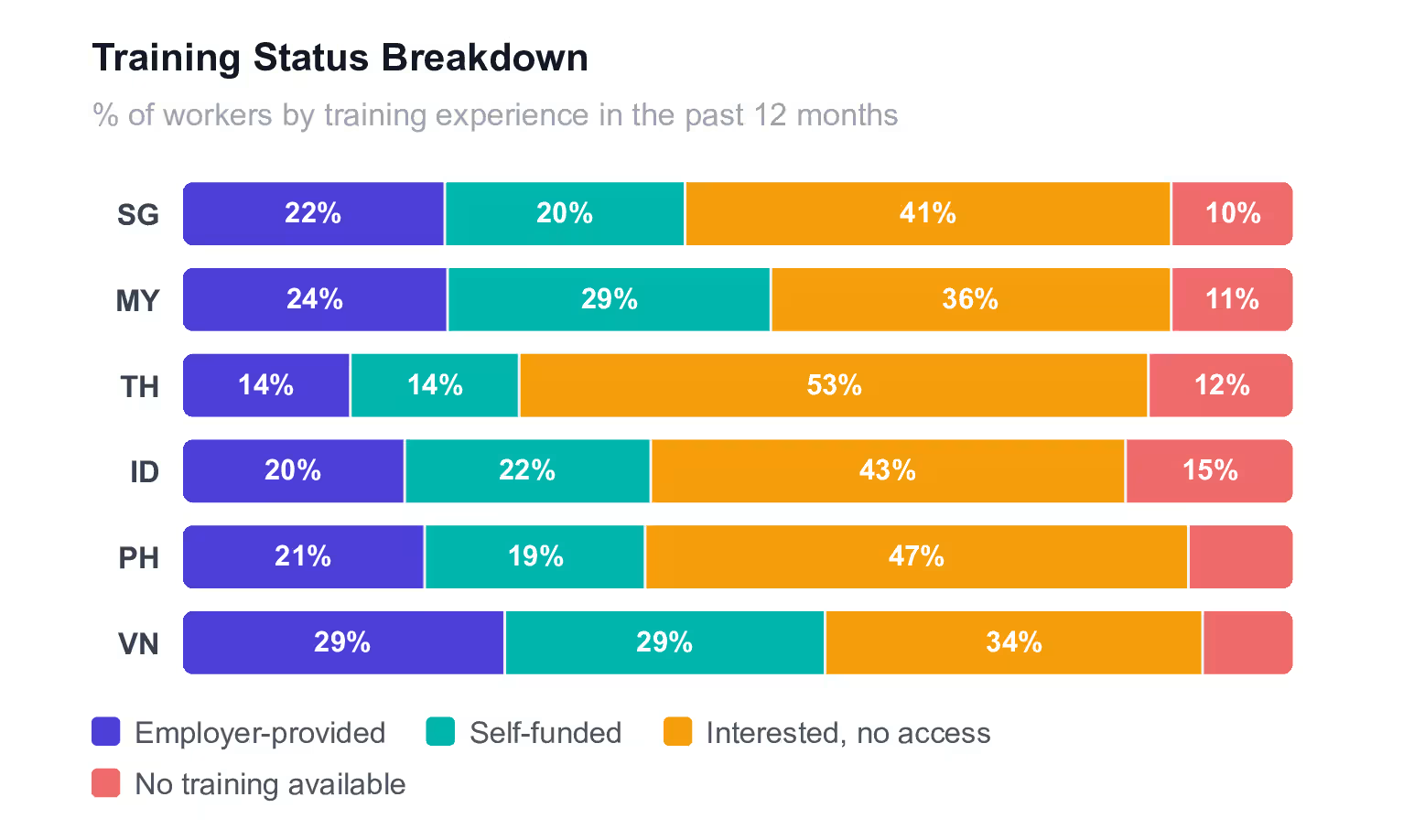
เมื่อสอบถามว่า ในช่วง 1 ปีที่ผ่านมา พวกเขาเคยเข้าร่วมการอบรมด้าน AI หรือทักษะดิจิทัลหรือไม่ คนส่วนใหญ่ในทุกประเทศตอบตรงกันว่า “ยังไม่เคย” โดยสัดส่วนของพนักงานที่ได้รับการอบรมจากบริษัทมีเพียง 14–29% เท่านั้น แตกต่างกันไปในแต่ละประเทศ ซึ่งประเทศเวียดนามมีสัดส่วนสูงที่สุดที่ 29% ขณะที่ประเทศไทยต่ำที่สุดอยู่ที่ 14% ส่วนการเรียนรู้ที่พนักงานลงทุนพัฒนาทักษะด้วยตัวเองก็มีแนวโน้มใกล้เคียงกัน ตั้งแต่ 14% ในประเทศไทย ไปจนถึง 29% ในประเทศมาเลเซียและประเทศเวียดนาม
จากการสำรวจคนวัยทำงานในเอเชียตะวันออกเฉียงใต้ราว 34–53% ระบุว่า สนใจและอยากพัฒนาทักษะด้าน AI อย่างจริงจัง เพียงแต่ยังไม่มีโอกาสได้เรียนรู้หรือเข้าถึงการอบรมที่เหมาะสม ซึ่งประเทศไทยมีสัดส่วนสูงที่สุดถึง 53% รองลงมาคือประเทศฟิลิปปินส์ที่ 47% และประเทศสิงคโปร์ที่ 41%
ขณะเดียวกัน ยังมีคนทำงานอีกประมาณ 8–15% ที่บอกว่าพวกเขาไม่มีโอกาสเข้าถึงการอบรมใด ๆ เลย ทำให้ต้องพยายามเรียนรู้และปรับตัวกับ AI ด้วยตนเอง ท่ามกลางการเปลี่ยนแปลงที่เกิดขึ้นอย่างรวดเร็วในโลกการทำงาน
องค์กรเริ่มตื่นตัว แต่ยังไม่พร้อมเต็มที่
ความรู้สึกของพนักงานที่มองว่าตัวเองยังขาดทักษะ สะท้อนภาพเดียวกันกับความพร้อมขององค์กร หลายบริษัทเริ่มเห็นความสำคัญของ AI และมีแผนในการนำมาใช้งานมากขึ้น แต่ยังมีองค์กรไม่มากนักที่รู้สึกว่าตัวเอง “พร้อมจริง ๆ” สำหรับการใช้งาน AI ในระดับองค์กร
จากทั้งหมด 6 ประเทศ มีเพียง 10–25% ของผู้ตอบแบบสอบถามที่มองว่าองค์กรของตน “พร้อมมาก” สำหรับการนำ AI มาใช้งานหรือขยายการใช้งานในวงกว้าง โดยประเทศสิงคโปร์อยู่ที่เพียง 10% ขณะที่ประเทศเวียดนามอยู่ที่ 25%
ในทางกลับกัน คำตอบที่พบมากที่สุดในทุกประเทศคือ “ค่อนข้างพร้อม” สะท้อนว่าองค์กรส่วนใหญ่กำลังอยู่ในช่วงเริ่มต้นของการปรับตัว มีทั้งแผนงานและความพยายามที่จะใช้ แต่ก็ยังมีจุดที่ต้องพัฒนาเพิ่มมากขึ้น ซึ่งคิดเป็น 51–58% ของผู้ตอบแบบสอบถามทั้งหมด
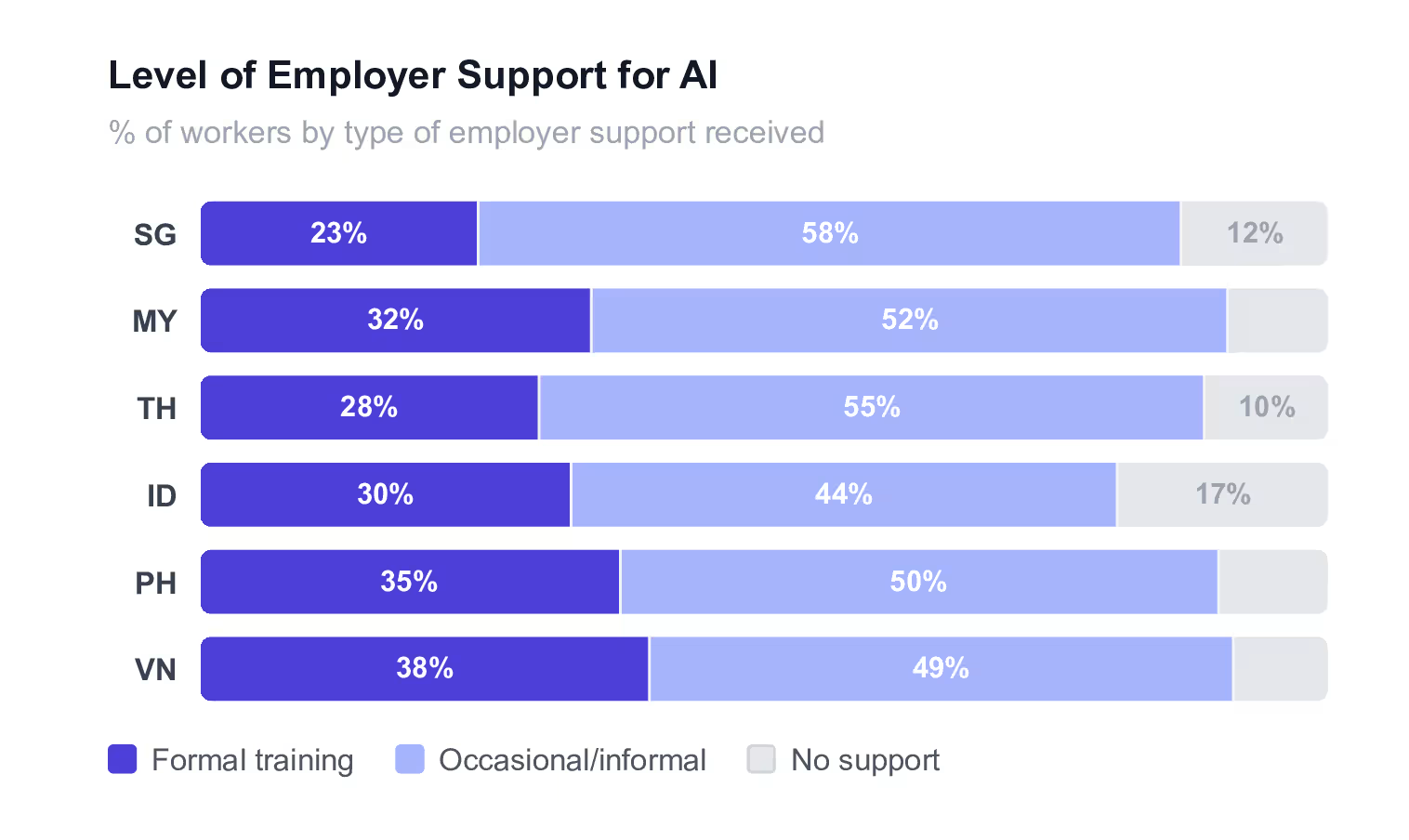
นอกจากนี้ การสนับสนุนจากองค์กรก็ยังไม่ชัดเจนมากนัก มีเพียง 23–38% ของพนักงานที่บอกว่านายจ้างส่งเสริมหรือสนับสนุนการใช้ AI อย่างจริงจังผ่านการอบรมหรือแนวทางที่เป็นระบบ ขณะที่คนส่วนใหญ่ราว 44–58% บอกว่าได้รับเพียงคำแนะนำแบบไม่เป็นทางการหรือการสนับสนุนเป็นครั้งคราวเท่านั้น และในประเทศอินโดนีเซียยังมีถึง 17% ที่ระบุว่าไม่ได้รับทั้งการสนับสนุนหรือความคาดหวังใด ๆ จากผู้บริหารเลย
ช่องว่างด้านทักษะยังเป็นอุปสรรคสำคัญ
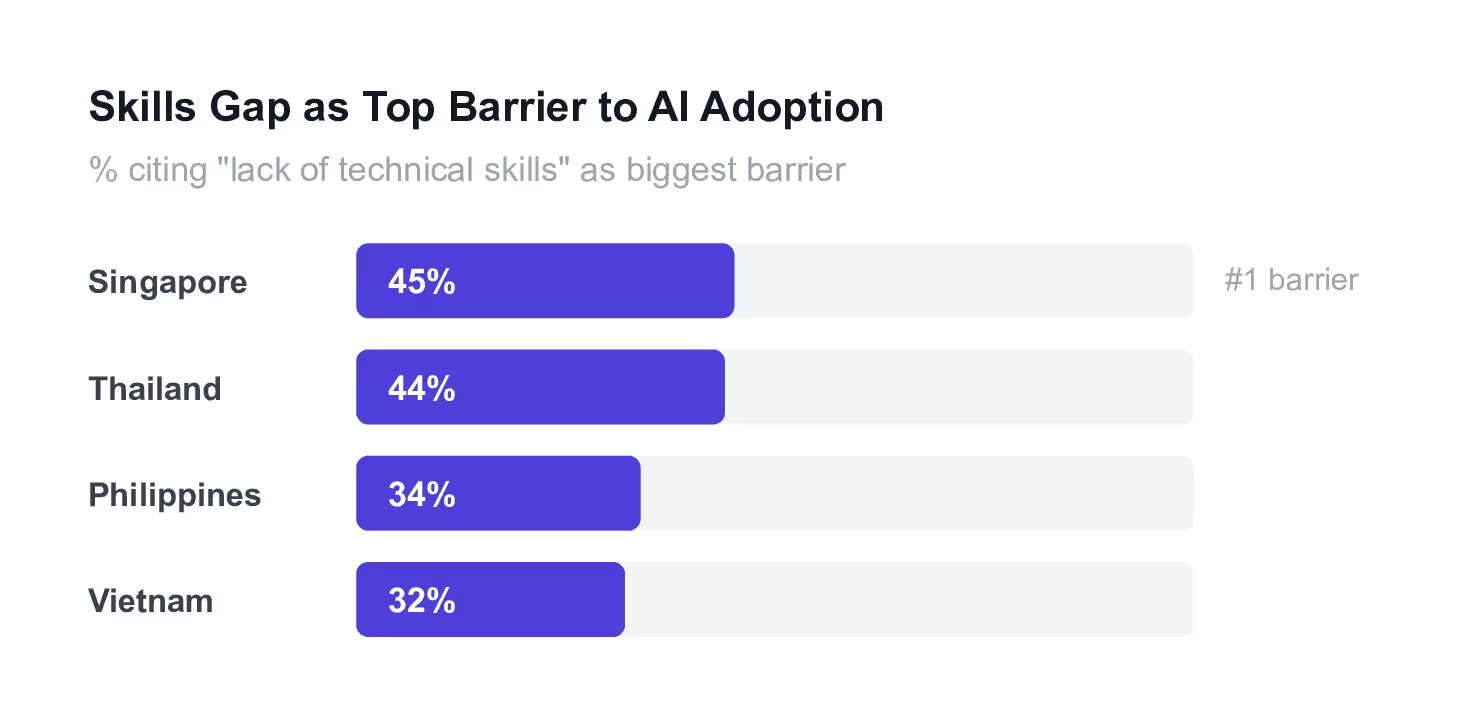
ปัญหานี้ไม่ได้เป็นเพียงความรู้สึกของพนักงานเท่านั้น เพราะเมื่อถามถึงอุปสรรคสำคัญในการนำ AI มาใช้ในที่ทำงาน “การขาดทักษะความเชี่ยวชาญเฉพาะทางที่จำเป็นต่อการทำงาน” ยังคงเป็นหนึ่งในคำตอบอันดับต้น ๆ ของทุกประเทศ
ตัวเลขดังกล่าวอยู่ที่ 45% ในประเทศสิงคโปร์ 44% ในประเทศไทย 34% ในประเทศฟิลิปปินส์ และ 32% ในประเทศเวียดนาม โดยในประเทศสิงคโปร์ ปัญหาเรื่องทักษะถูกมองว่าเป็นอุปสรรคใหญ่ที่สุด มากกว่าความกังวลเรื่องความปลอดภัยหรือความเป็นส่วนตัวของข้อมูลเสียอีก
เมื่อทุกฝ่ายต่างมีส่วนรับผิดชอบ สุดท้ายอาจไม่มีใครลุกขึ้นมารับผิดชอบอย่างจริงจัง
เมื่อถามว่าใครควรเป็นผู้รับผิดชอบในการช่วยให้แรงงานพร้อมสำหรับยุค AI คนทำงานในประเทศสิงคโปร์และประเทศไทยส่วนใหญ่มองว่าเป็น “ความรับผิดชอบร่วมกัน” ระหว่างภาครัฐ นายจ้าง และตัวพนักงานเอง โดยมีสัดส่วนอยู่ที่ 40% และ 39% ตามลำดับ
ขณะที่ในประเทศมาเลเซีย ประเทศอินโดนีเซีย ประเทศฟิลิปปินส์ และประเทศเวียดนาม หลายคนมองว่านายจ้างควรเป็นผู้มีบทบาทหลักมากกว่า แม้แนวคิดเรื่อง “ความรับผิดชอบร่วมกัน” จะยังเป็นคำตอบสำคัญในทุกประเทศก็ตาม
ในส่วนของภาครัฐ หลายคนยังรู้สึกว่ามาตรการหรือโครงการสนับสนุนต่าง ๆ ยังไม่เพียงพอ มีเพียง 8–22% ของคนทำงานที่มองว่ารัฐบาลของตน “มีประสิทธิภาพมาก” ในการเตรียมแรงงานให้พร้อมสำหรับยุค AI โดยในประเทศไทยมี 13% ที่มองว่าความพยายามของภาครัฐ “ไม่มีประสิทธิภาพเลย” ขณะที่ในประเทศฟิลิปปินส์ มีถึง 15% ที่บอกว่าไม่เคยรับรู้ถึงโครงการหรือมาตรการใด ๆ จากภาครัฐเกี่ยวกับเรื่องนี้เลย
พนักงานพร้อมที่จะปรับตัว แต่ยังรอการสนับสนุนที่เหมาะสม
แม้หลายองค์กรจะยังมีช่องว่างด้านการอบรมและการพัฒนาทักษะ AI แต่คนทำงานเองไม่ได้ปิดกั้นหรือปฏิเสธการเปลี่ยนแปลงนี้เลย ตรงกันข้าม พวกเขาส่วนใหญ่พร้อมที่จะเรียนรู้และปรับตัว หาก AI เข้ามาเปลี่ยนบทบาทการทำงานของตนอย่างมีนัยสำคัญ
เมื่อถามว่าพวกเขาจะทำอย่างไรหาก AI ส่งผลต่อหน้าที่การงานของตน “การเรียนรู้ทักษะใหม่หรือการพัฒนาทักษะเพิ่มเติม” เป็นคำตอบที่ถูกเลือกมากที่สุดในทุกประเทศ โดยมีสัดส่วนตั้งแต่ 29% ในประเทศฟิลิปปินส์ ไปจนถึง 60% ในประเทศไทย ซึ่งสะท้อนให้เห็นว่าคนทำงานจำนวนมากไม่ได้มอง AI เป็นภัยคุกคาม แต่เป็นสิ่งที่พวกเขาพร้อมจะปรับตัวตามให้ทัน
ขณะที่ประเทศเวียดนามมีความแตกต่างเล็กน้อย โดย 20% ของผู้ตอบแบบสอบถามเลือก “การศึกษาต่อเพิ่มเติม” เป็นแนวทางหลักในการรับมือกับการเปลี่ยนแปลงจาก AI
อย่างไรก็ตาม ระดับความมั่นใจของคนทำงานยังสะท้อนให้เห็นถึงความจริงในปัจจุบัน แม้หลายคนจะเริ่มใช้งาน AI ได้แล้ว แต่ส่วนใหญ่ยังรู้สึกว่าตนเอง “มั่นใจเพียงบางส่วน” ในการทำงานร่วมกับ AI โดยตัวเลขในทั้ง 6 ประเทศอยู่ระหว่าง 58–70% กล่าวคือ พวกเขาสามารถใช้งาน AI ได้ในระดับหนึ่ง แต่ยังต้องการคำแนะนำ การฝึกฝน และการสนับสนุนเพิ่มเติม ขณะที่มีเพียง 11–20% เท่านั้นที่รู้สึกมั่นใจอย่างเต็มที่ในการใช้ AI
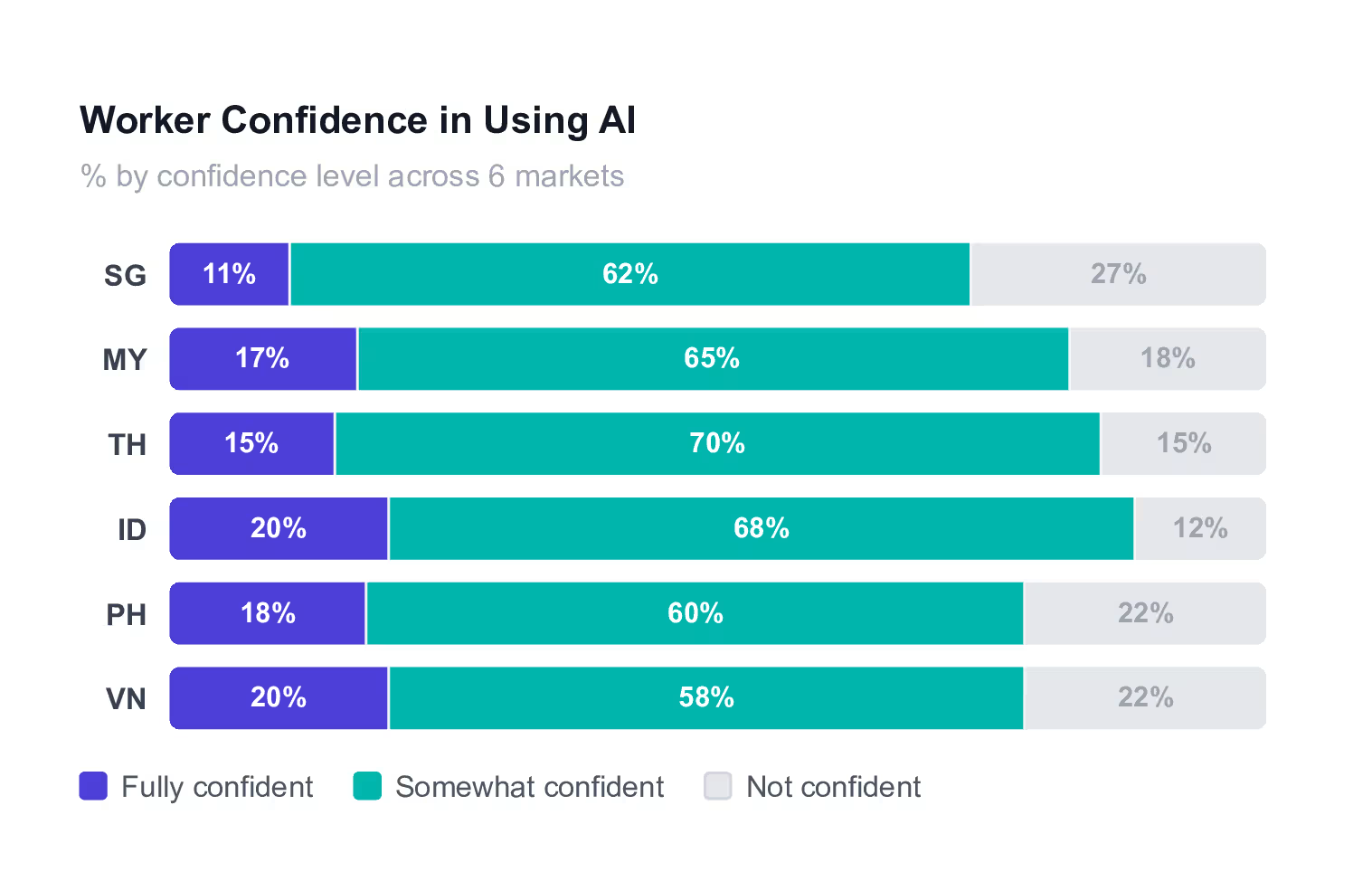
ทั้งหมดนี้สะท้อนให้เห็นว่า “ความพร้อมในการปรับตัว” ของคนทำงานมีอยู่แล้ว สิ่งที่ยังขาดคือระบบสนับสนุน โครงสร้างการเรียนรู้ และโอกาสในการพัฒนาทักษะที่เพียงพอ เพื่อช่วยให้พวกเขาก้าวทันการเปลี่ยนแปลงของโลกการทำงานที่ขับเคลื่อนด้วย AI
บทความนี้อ้างอิงข้อมูลจากงานวิจัย SEA AI at Work 2026 Study ของ Milieu Insight ซึ่งสำรวจความคิดเห็นของคนทำงาน 3,000 คน (ประเทศละ 500 คน) ใน 6 ประเทศเอเชียตะวันออกเฉียงใต้ ระหว่างวันที่ 2–10 กุมภาพันธ์ 2026 สำหรับข้อมูลฉบับเต็ม ติดต่อ sales@mili.eu
https://www.mili.eu/th/insights/sea-ai-at-work-2026-training-gap

Author
Milieu Team
At Milieu, we’re a team of curious minds who love digging into data and uncovering what drives people. Together, we turn insights into stories—and stories into action. We also run on coffee, deadlines, and the occasional meme.
Latest Insights